

Last Updated: October 26, 2026
Quick Summary
Rip Curl vs Patagonia wetsuits represent different priorities: Rip Curl optimises for warmth and stretch in high-performance scenarios, whilst Patagonia optimises for durability and environmental responsibility. Your choice depends entirely on whether you prioritise performance in the water or long-term sustainability and longevity.
- Rip Curl uses Japanese limestone-based neoprene for performance, Patagonia uses recycled nylon blends for sustainability
- Both brands offer chest zip and back zip entry systems with similar sizing
- A wetsuit should fit snugly without wrinkles or gaps at shoulders, chest, and hips to maintain warmth
- Rinse your wetsuit with fresh water immediately after every session to extend its lifespan by years
- Water temperature determines thickness: 3/2 for 13-18°C, 4/3 for 11-14°C, 5/4 for below 8°C
Table of Contents
- Rip Curl vs Patagonia wetsuits: Quick comparison
- Wetsuit thickness guide for different water temperatures
- How should a wetsuit fit for comfort and performance
- Warmth and insulation: which brand performs better
- Flexibility and movement in the water
- Sustainability and durability: environmental impact
- How to care for a wetsuit to extend its lifespan
- Finding your ideal wetsuit fit and thickness
- Frequently Asked Questions
Rip Curl vs Patagonia wetsuits: Quick comparison
When you're comparing Rip Curl vs Patagonia wetsuits, you're weighing two very different approaches to the water. Rip Curl has been building wetsuits for decades with a focus on performance and innovation. Patagonia brings their environmental ethos and durability reputation into the lineup. But here's what matters: neither brand is necessarily the "best", it depends entirely on what you prioritise when you're paddling out.
At Sisstrevolution, we work with surfers who care about both performance and how their gear impacts the ocean they love.
The core difference comes down to this: Rip Curl optimises for warmth and stretch in high-performance scenarios. Patagonia optimises for durability and environmental responsibility.
| Feature | Rip Curl | Patagonia | Best For |
|---|---|---|---|
| Warmth Technology | Thermal lining, sealed seams | Recycled materials, durable construction | Cold water (Rip Curl) / Longevity (Patagonia) |
| Entry System | Chest zip, back zip options | Chest zip, back zip options | Both similar |
| Neoprene Type | Japanese limestone-based | Recycled nylon blends | Performance (Rip Curl) / Sustainability (Patagonia) |
| Typical Price Range | £200-£400 | £250-£450 | Budget-conscious (Rip Curl) |
| Best For | Performance, warmth, active surfers | Durability, environmental impact, long-term wear | Depends on priorities |
Wetsuit thickness guide for different water temperatures
The number you see on a wetsuit (like 3/2 or 4/3) tells you the neoprene thickness in millimetres. The first number is the core thickness, the second is the arm and leg thickness. Thicker neoprene keeps you warmer but reduces flexibility. Thinner neoprene lets you move freely but offers less insulation.
For conditions around 13-18°C, a 3/2 wetsuit works well. You get decent warmth without feeling restricted. The Sisstrevolution 7 Seas 3/2 Chest Full Wetsuit at £279.95 delivers that balance if you're exploring alternatives.
When water drops to 11-14°C, step up to 4/3. This is where most surfers in temperate regions spend their time.
For truly cold water below 8°C, you need 5/4 or thicker. A 5/4 gives you maximum insulation. The Sisstrevolution 7 Seas 5/4 Chest Zip Wetsuit at £329.95 handles these conditions with sealed seams and Thermal Fever Fibre lining designed to trap heat without bulk.
| Water Temperature | Recommended Thickness | Why It Matters |
|---|---|---|
| 16-18°C | 2/2 or 3/2 | Minimal insulation needed, maximum freedom |
| 13-15°C | 3/2 | Sweet spot for temperate regions |
| 11-13°C | 4/3 | Standard winter suit, good warmth-to-stretch ratio |
| 8-11°C | 5/4 or 6/5 | Maximum insulation for extended sessions |
| Below 8°C | 6/5 or hooded | Serious cold water protection |
How should a wetsuit fit for comfort and performance
A wetsuit should feel snug but not restrictive. When you pull it on, there shouldn't be wrinkles or gaps at the shoulders, chest, or hips. If water can slosh between the suit and your skin, you're losing warmth immediately. But if you can barely move your arms, you'll fatigue faster than the cold will get you.
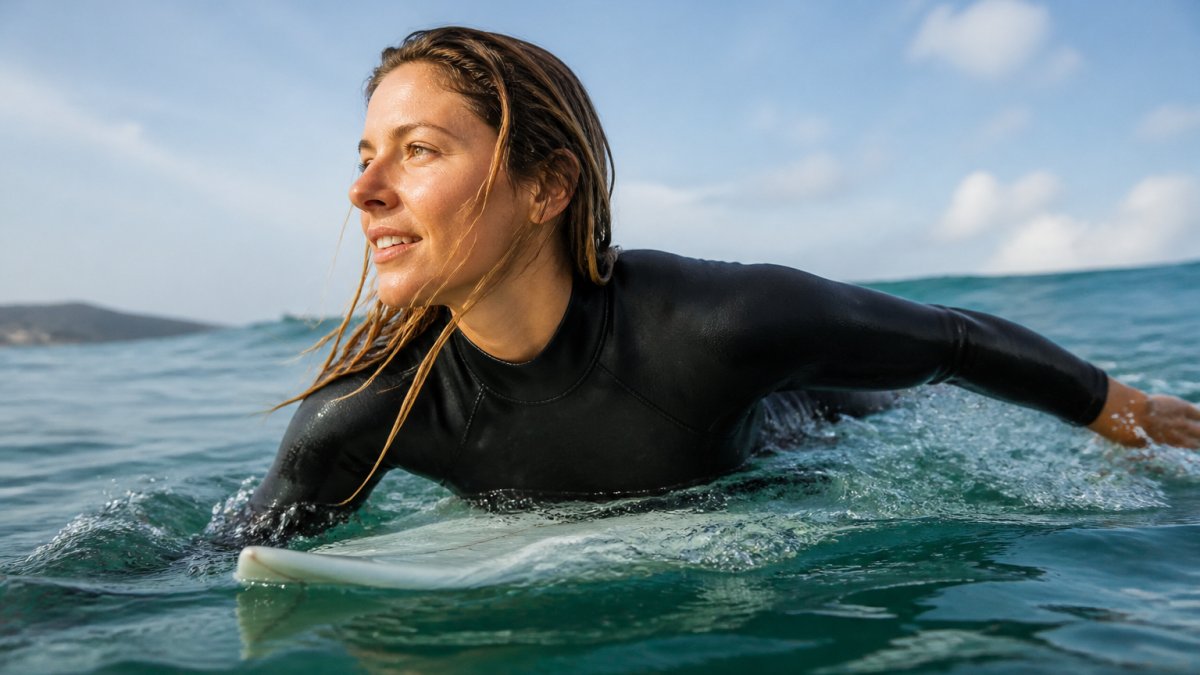
The chest should fit snugly without cutting into your ribs. Your shoulders need full range of motion, raise your arms overhead and you shouldn't feel the suit pulling down. At the wrists and ankles, the suit should seal against your skin without leaving marks after you remove it.
Both Rip Curl and Patagonia size similarly, but they cut differently.
The real test is in the water. Paddle out for five minutes. If water is flushing in and out at your neck or wrists, the seal is broken. If you're struggling to paddle because the suit is too tight, you've gone too small.
Browse the full wetsuit collection to see how Sisstrevolution's tailored fit compares. Our sizing guides account for different body shapes, not just height and weight.
Learn specific guidance on women's wetsuit sizing to ensure proper fit before you buy.
Warmth and insulation: which brand performs better
Read real-world testing results of premium wetsuits to understand how performance claims translate to actual water time.
Flexibility and movement in the water
Flexibility matters because a restricted suit tires you out faster. You want to paddle efficiently, pop up smoothly, and move your arms without fighting the neoprene.
The Sisstrevolution 7 Seas range uses 100% super-stretch Japanese limestone-based neoprene, which puts it in the same performance tier as Rip Curl's top models. The anatomically correct engineered body lines mean the suit moves with your natural paddling motion, not against it.
For casual beach sessions, the flexibility difference is minimal. For competitive or high-volume surfing, it compounds. A slightly restrictive suit over a two-hour session adds up to real fatigue.
Sustainability and durability: environmental impact
Sisstrevolution sources materials responsibly and designs for durability. Our suits use eco-friendly water-based lamination and dope-dyed fabric to reduce chemical impact. We're not claiming to be perfect, but we're building gear that works hard and lasts.
Sisstr 7 Seas 3/2 Chest Full Wetsuit →
The practical reality: buy a suit that actually fits your body and your conditions. A suit that doesn't work for you becomes waste. A suit that works becomes part of your life for years.
How to care for a wetsuit to extend its lifespan
Rinse your wetsuit thoroughly inside and out with fresh water immediately after every session. Salt water and chlorine break down neoprene and weaken seams. This single step extends the life of any suit by years.
Hang dry in a cool, shaded area. Direct sunlight degrades neoprene and fades colour. Never hang a wet suit in direct heat or near a radiator. When it's dry, store it flat or loosely rolled, never crumpled in a ball.
When you're changing out of the suit, avoid standing on it. The pressure concentrates stress on seams. Peel it off carefully, especially at the wrists and ankles where seams are under tension.
Watch out: don't machine wash or tumble dry your wetsuit. The agitation and heat destroy the neoprene and seams. Hand rinse only.
Discover practical maintenance tips to keep wetsuits in top condition and extend their performance life.
Proper care means your suit will outlast the warranty by years.
Finding your ideal wetsuit fit and thickness
Start with water temperature. Check the forecast for the next month and pick a suit rated for the coldest water you'll encounter regularly. It's easier to wear a thicker suit in slightly warmer water than to freeze in a suit that's too thin.
Next, consider your body shape. Sisstrevolution's tailored fit is designed around women's bodies, not scaled down from men's suits. That matters because it means better seal at the chest and hips where standard sizing often fails.
Try the suit on if you can. If you're buying online, check the sizing guide carefully. A suit that's too small will be uncomfortable and restrict circulation. A suit that's too large will flush water constantly, defeating the whole purpose.
Consider your commitment level. If you're surfing casually a few times a month, a mid-range 3/2 does everything you need. If you're in the water four or five times a week, invest in a suit that performs. You'll spend hundreds of hours in it.
Think about versatility. A 4/3 works across a wider range of conditions than a 3/2 or 5/4. If you travel or your local break has variable conditions, 4/3 is the practical choice.
The Sisstrevolution 7 Seas range covers the full spectrum: 3/2 for cool water (£279.95), 4/3 for cold water (£299.95), and 5/4 for serious cold (£329.95). Each suit uses the same construction principles, super-stretch neoprene, sealed seams, tailored fit, so you're not compromising on quality as you move up in thickness.
Frequently Asked Questions
Are Rip Curl or Patagonia wetsuits warmer?
Both brands offer wetsuits across multiple thickness ratings (3mm, 4mm, 5mm+), so warmth depends on which model you choose rather than the brand itself. The key is selecting the correct thickness for your water temperature, a 5mm suit will always be warmer than a 3mm regardless of brand. Check the product specifications for insulation technology and lining type to compare specific models.
What thickness wetsuit do I need for surfing?
Thickness depends on water temperature. For cool water (13-18°C), a 3/2mm wetsuit works well. Cold water (11-14°C) requires 4/3mm thickness. Very cold conditions (8-12°C) need 5/4mm or thicker. The first number represents chest thickness, the second represents arm and leg thickness. Starting with a 4/3mm gives versatility across most conditions. Many surfers own multiple thicknesses to swap seasonally.
How should a wetsuit fit for comfort and performance?
A proper wetsuit fit is snug but not restrictive. It should hug your body without excess fabric bunching at the shoulders, chest, or back. When you raise your arms, the suit shouldn't pull away from your torso or create gaps at the neck and wrists. A well-fitted suit prevents water flushing, which keeps you warmer and improves mobility. Check the brand's sizing chart and read reviews from people with your body type before ordering, especially if you're between sizes.
Are Patagonia wetsuits more sustainable than Rip Curl wetsuits?
Both brands have made sustainability commitments, but they use different approaches. Compare specific product lines rather than making assumptions about the entire brand. Look for certifications like Bluesign approval and recycled content percentages when choosing between models.
How long should a surfing wetsuit last?
With proper care, a quality wetsuit lasts 2-3 years of regular use. Durability depends on how often you surf, water conditions, and maintenance. Wetsuits used in harsh conditions or worn daily wear faster than those used occasionally. Proper rinsing after each session, air-drying away from direct sunlight, and avoiding standing on the suit during changes all extend lifespan significantly. Check warranty details, many brands offer 1-year guarantees on seams and neoprene.
Choosing between Rip Curl and Patagonia comes down to what matters most to you: maximum warmth and performance, or long-term durability and environmental responsibility. Neither choice is wrong. But the real unlock is finding a suit that actually fits your body and your water temperature. That's where the difference between a suit you tolerate and one you love lives.
